
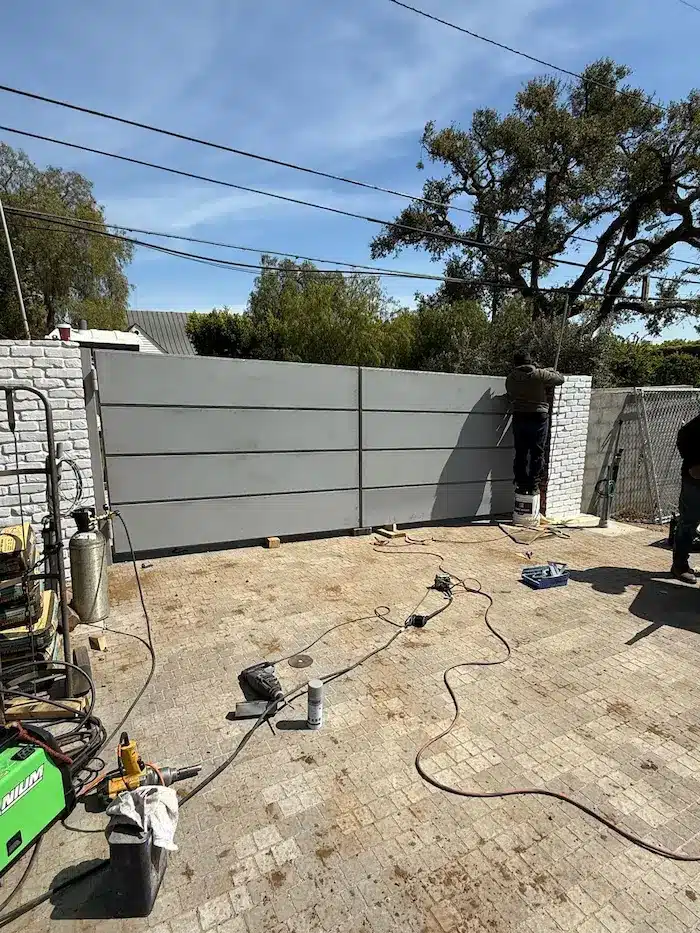
An automatic driveway gate is a fantastic feature for any home. It gives you a sense of privacy, adds value to your property, and keeps your family safe from the outside world. Most of the time, these heavy-duty systems work so smoothly that you completely forget how complex they really are. You push a button, the metal glides open, and you drive right through without a second thought. But when a mechanical system fails, it can disrupt your entire day, leaving your car trapped inside your garage or your property wide open to the public street. When things go wrong out of nowhere, having access to a reliable team for Emergency Gate Repair is the fastest way to get your life back on track.
As the Los Angeles #1 Automatic Gate Company, Star Steel knows that an uncooperative entryway is more than just a minor annoyance; it is a major safety concern. Whether your system refuses to open during your morning work rush or gets stuck open late at night, you need a local professional who can respond quickly and fix the issue correctly. Understanding the common causes of gate failures and knowing how to handle them can save you a lot of time, money, and unnecessary stress.
Common Reasons Your Automatic Gate Stops Working
Because automatic entries are exposed to the hot California sun, sudden winter rainstorms, and constant daily use, their mechanical and electrical components experience a lot of wear and tear. When a system acts up, it is usually due to one of a few common culprits.
Electrical Power and Battery Issues
The most frequent cause of a sudden breakdown is a simple loss of electrical power. A tripped circuit breaker, a blown fuse, or a localized power outage can instantly turn your high-tech automated system into a heavy piece of dead weight. Many modern setups feature a backup battery designed to operate the system when the main power grid goes down. However, if that backup battery is old or has not been tested in a long time, it might fail to activate when you need it most, leaving you temporarily stranded.
Blocked Tracks and Sensor Faults
Automatic entryways rely heavily on electronic safety sensors to protect your vehicles and loved ones. These photo-eye sensors project an invisible beam across your driveway. If anything breaks that beam, the system assumes there is an obstacle and refuses to close. Over time, dirt, spiderwebs, fallen leaves, or even small insects can coat the sensor lenses, tricking the computer into thinking the path is blocked. For sliding systems, small rocks or packed mud can get stuck inside the ground metal track, physically stopping the wheels from moving forward.
Worn Out Mechanical Parts
A driveway gate is a heavy structure that puts a lot of stress on its moving components. Swing systems rely on heavy-duty hinges to hold their weight, while sliding systems use metal chains and rolling wheels to travel back and forth. Over years of continuous service, hinges can become dry and rusty, wheels can develop flat spots, and drive chains can stretch or snap. When these physical components begin to fail, the electric motor has to work twice as hard to move the frame, which can cause the entire system to overheat and shut down automatically to prevent total motor failure.
How a Broken Gate Affects Your Home Life
When your main entrance stops working properly, it impacts your household in several ways that go far beyond a simple mechanical inconvenience.
A Sudden Drop in Property Security
The primary reason you installed a premium barrier was to keep uninvited guests, solicitors, and trespassers off your land. If your system gets stuck in the fully open position, your entire yard, front porch, and vehicles are suddenly exposed to anyone walking down the sidewalk. This is especially stressful at night, as it forces you to worry about the safety of your home while you try to sleep. A broken entryway robs you of the peace of mind that a secure home is supposed to provide.
The Frustration of Getting Trapped
There is never a convenient time for a mechanical breakdown, but it always seems to happen when you are in a massive rush. If your entry system refuses to open on a Monday morning, you can find yourself completely trapped inside your own driveway, missing important work meetings, school drop-offs, or medical appointments. Trying to force a heavy automated system open by hand without knowing what you are doing can damage the internal gears of the motor, turning a simple repair into a very expensive replacement project.
What to Check Before You Call a Professional
If your entryway suddenly stops responding to your remote control or smartphone application, do not panic. Before you pick up the phone to call an emergency technician, there are a few basic troubleshooting steps you can perform yourself to rule out simple fixes.
- Check the Remote Batteries: It sounds incredibly basic, but a dead battery inside your handheld remote or wall clicker is one of the most common reasons a system stops responding. Try using a backup remote or the physical keypad on your wall to see if the gate moves.
- Inspect the Safety Sensors: Walk down to the end of your driveway and look closely at the safety eyes near the ground. Wipe away any visible dirt, cobwebs, or dust with a clean cloth, and make sure no tall weeds or stray branches are blocking the line of sight between the two sensors.
- Look for a Manual Release Key: Almost every professional automatic system comes equipped with a physical manual release key or lever. Inserting this key disengages the electric motor from the drive chain or arm, allowing you to safely push the gate open by hand so you can get your car out of the driveway while you wait for a technician to arrive.
Why Professional Service Matters for Long-Term Safety
While minor tasks like sweeping a track or cleaning a sensor lens are great weekend DIY habits, major mechanical and electrical issues should always be left to experienced professionals. Trying to fix a complex automated system yourself can be incredibly dangerous due to the heavy weights and high electrical currents involved.
Expertise in Complex Electronics
Modern entry systems use sophisticated computer control boards that regulate everything from opening speeds to safety sensor sensitivity. A certified technician has the diagnostic tools required to test these circuits, locate hidden electrical shorts, and replace damaged components without ruining the rest of the system. They understand how to safely handle the wiring and power supplies, ensuring your system operates reliably without creating a fire hazard.
Access to High-Quality Replacement Parts
When a major component like a motor gear, a drive chain, or a control board breaks down, a professional team will replace it with commercial-grade parts that match your system perfectly. Cheap, generic parts from online storefronts often wear out within a few months, leading to repeat breakdowns and more frustration. Getting the job done right with premium materials ensures that your entrance stays strong and functional for years to come.
Protect Your Investment with Regular Care
The absolute best way to avoid the stress of a sudden emergency breakdown is to take proactive care of your entry system throughout the year. By spending just a few minutes every few months on basic preventative maintenance, you can catch minor issues before they transform into major mechanical headaches.
Make it a habit to regularly wash down your metal frame and clear out the track area. Keep bushes, tree branches, and climbing vines trimmed far away from the moving parts of your system so they do not put extra strain on the motor or block the safety sensors. Once or twice a year, apply a high-quality outdoor lubricant to your hinges, chains, and wheels to keep everything moving quietly and smoothly. Partnering with a trusted local company ensures that your home stays secure, your daily routine remains uninterrupted, and your grand entrance operates flawlessly every single day.