
You have tried the scalp massage. The herbal mask. The fancy essential oils that cost more than your weekly grocery run.
Your hair looked great leaving the salon. Maybe even the next day.
Then you washed it. And everything went back to how it was.
This is the cycle. And if you have been searching for hair growth solutions in Singapore, you know exactly what I am talking about.
The Humidity Problem Nobody Talks About
Singapore is brutal on scalps. Not because of pollution or hard water—though those do not help. It is the humidity.
Your scalp produces more sebum to protect itself. That sebum mixes with sweat and dead skin. Before you know it, your follicles are clogged.
Clogged follicles cannot grow hair. They just sit there, dormant.
Most salon treatments do not fix this. They make your hair feel softer. They add temporary volume. But they do not unclog what is blocked underneath.
What Actually Happens at a Hair Growth Salon
I am not saying salons are useless.
A good scalp massage feels amazing. The steaming is relaxing. And your hair genuinely looks better for a day or two.
But here is the catch: none of that creates new hair.
- Massage increases blood flow temporarily. A few hours later, it is back to normal.
- Masks coat your existing hair. New growth does not come from coated hair—it comes from healthy follicles.
- Essential oils smell nice and reduce some inflammation. But they cannot penetrate a sebum-clogged follicle.
The salon model depends on you coming back weekly. They are not trying to fix you permanently. They are trying to make you feel good until your next appointment.
Why Clinical Treatment Is Different
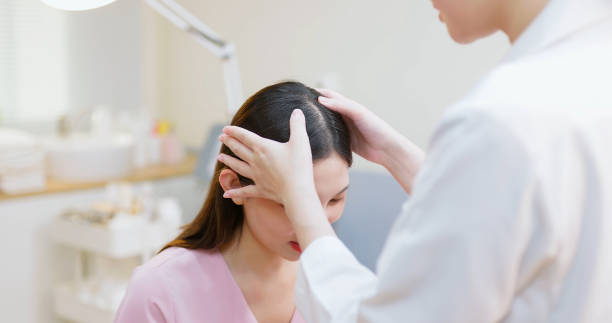
Clinical scalp treatment starts with something most salons skip: looking at your actual scalp.
Not a quick glance. Not a questionnaire.
A magnified scan—50 to 200 times zoom.
You see your follicles. You see the plugs. You see the inflammation.
It is uncomfortable. But it is the only way to know what is actually wrong.
Many people spend thousands on products that were never going to work because their problem was sebum plugs—not genetics.
A ten-minute scan could have identified the issue.
The Real Question: Do You Need Diagnosis or Maintenance?
Here is how to decide.
If your only issue is that your hair looks dull or thin after washing, a good salon might be enough. You need cosmetic help, not medical intervention.
If you are actually losing hair—more in the shower drain, a receding hairline, or a widening part—you need a proper diagnosis first.
Salon treatments will not stop hair loss. They may make the remaining hair look slightly better while the underlying issue continues.
It may sound harsh, but choosing the right approach early can save both time and money.
What a Clinical Approach Looks Like
Step 1: Scalp Scan
You sit in a chair while a therapist moves a small camera across your scalp.
On a screen, you can see healthy follicles, clogged follicles, and areas of inflammation.
Step 2: Diagnosis
Instead of immediately recommending a package, a proper provider explains what the scan shows.
For example:
“You have sebum plugs in 60% of your crown follicles. There is mild inflammation but no scarring. You are a good candidate for treatment.”
Step 3: Personalized Treatment Plan
Depending on your scalp condition, treatment may include:
- Deep scalp cleansing
- Red light therapy
- Daily herbal scalp tonics (such as ginseng or he shou wu)
- Combination therapy
Step 4: Home Maintenance
The goal is not lifelong clinic visits.
A quality clinic provides a maintenance routine you can continue at home.
One Real Example
A 42-year-old client came in after five years of crown thinning.
He had tried three different salon packages without success.
His scalp scan revealed sebum plugs in approximately 60% of his follicles.
After six months of deep cleansing sessions, a daily herbal tonic, and switching to a more suitable shampoo, his hair density improved significantly and the thinning area became noticeably fuller.
He did not require medication or surgery.
He simply needed an accurate diagnosis and an appropriate treatment plan.
5 Signs You Have Moved Past Salon-Level Care
If your hair is healthy and you simply want a relaxing wash, salon treatments are perfectly fine.
However, consider clinical evaluation if any of these apply.
1. You Have Tried Salon Packages for Three Months Without New Growth
Not fewer hairs falling—actual new baby hairs.
If you see no improvement after several months, the current approach may not be addressing the cause.
2. Your Hairline Is Receding
A receding hairline may be associated with androgenetic alopecia or other forms of hair loss.
Early assessment is important.
3. You Are Losing More Than 100–150 Hairs Daily
Temporary shedding happens.
Persistent excessive hair loss over several weeks deserves professional evaluation.
4. Your Scalp Is Constantly Itchy or Flaky
Persistent itchiness or flaking may indicate inflammation, fungal conditions, or other scalp disorders that should be treated before focusing on hair growth.
5. Hair Loss Runs in Your Family
If you already notice thinning and have a family history of hair loss, early intervention generally provides the best chance of preserving existing hair.
A Quick Word on Cost
Clinical treatment often appears more expensive upfront.
For example:
- Scalp analysis: around S$88
- Treatment sessions: approximately S$150–S$250
However, weekly salon treatments can also become expensive over time without addressing the underlying cause.
Choosing an evidence-based treatment plan may provide better long-term value.
The First Step Is Always the Same
Stop guessing.
Stop buying products simply because they promise thicker hair.
Book a professional scalp analysis.
One appointment can help identify whether the issue involves:
- Sebum build-up
- Inflammation
- Early androgenetic alopecia
- Scarring
- Or another scalp condition
Knowing the cause allows you to choose the right treatment instead of relying on trial and error.
What to Look for in a Clinical Provider
Before booking an appointment, ask these questions:
- Do they use magnified scalp imaging?
- Do they explain the scan results before recommending treatment?
- Do they provide a home maintenance plan rather than encouraging endless weekly visits?
If the answer to these questions is yes, you are more likely to receive care that focuses on long-term scalp health.
One Last Thing
Many people spend years trying different salon treatments before seeking a proper diagnosis.
Some eventually believe nothing can help.
In many cases, the issue is not that treatment is impossible—it is that the underlying scalp condition was never properly identified.
A professional scalp analysis provides clarity.
At worst, you understand exactly what you are dealing with.
At best, you discover the problem is treatable and can begin the right plan before more follicles are affected.