
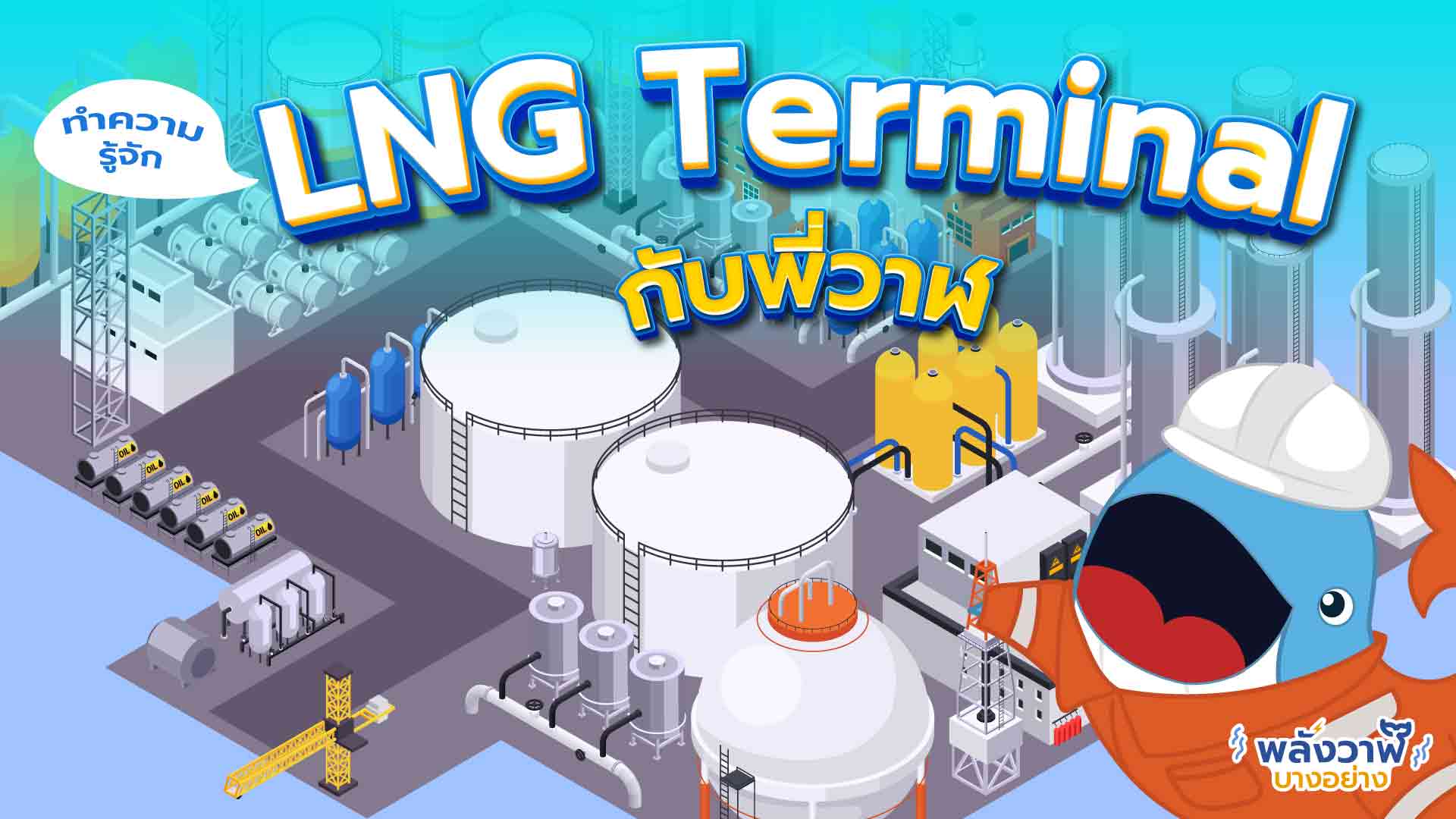
LNG and NGV: Understanding Thailand’s Shift Toward Cleaner Energy
Natural Gas as a Transition Fuel
Energy systems worldwide are undergoing structural change, and natural gas has become a central pillar of that transition. Across Southeast Asia — Thailand in particular — policymakers and industry operators are expanding gas-based infrastructure to balance economic development with environmental responsibility. Two technologies sit at the core of this shift: liquefied natural gas for large-scale supply, and compressed gas systems for transport. Together, they represent a practical pathway between legacy fossil fuels and a fully renewable future.
What LNG Brings to the Energy Mix
Liquefied natural gas (lng) is produced by cooling natural gas to approximately −162°C, reducing its volume by around 600 times. This makes it feasible to transport by ship to markets where pipeline infrastructure does not exist. Thailand imports LNG through regasification terminals to supplement domestic gas production from the Gulf of Thailand, which has been declining in output over the past decade.
- LNG burns significantly cleaner than coal or heavy fuel oil, producing lower sulfur dioxide and particulate emissions.
- It serves as a baseload fuel for power generation, industrial heating, and petrochemical feedstock.
- Expanding import capacity gives Thailand flexibility to source gas from multiple international suppliers.
- Floating storage and regasification units (FSRUs) have accelerated LNG adoption in emerging markets.
For analysts tracking regional energy security, LNG is not just a fuel — it is a strategic hedge against supply disruptions and price volatility in other fossil fuel categories.
NGV and the Case for Gas-Powered Transport
Natural gas for vehicles (ngv) uses compressed natural gas stored in high-pressure cylinders to power internal combustion engines. It entered Thailand’s mainstream fuel market in the early 2000s, largely driven by government subsidies that made it an economical choice for taxi operators and commercial fleet managers.
The operational advantages of NGV include:
- Lower fuel cost per kilometer compared to gasoline in most pricing environments.
- Reduced tailpipe emissions, including lower carbon monoxide and nitrogen oxide output.
- Compatibility with bi-fuel retrofit systems, allowing vehicles to switch between NGV and petrol.
- Established refueling networks along major highways and urban centers in Thailand.
Despite these advantages, NGV adoption has plateaued in recent years. Infrastructure investment has slowed, and the rise of electric vehicles has shifted policy attention. Fleet operators now weigh NGV against both petrol and battery options, making cost transparency in the gas pricing system more important than ever.
Breaking Down the Oil Price Structure
Consumer fuel decisions do not happen in isolation — they are shaped directly by the โครงสร้างราคาน้ำมัน (oil price structure) that governs how retail pump prices are calculated in Thailand. This layered system translates global crude benchmarks into the numbers drivers see at fuel stations.
Key components of Thailand’s fuel pricing framework:
- Ex-refinery price: The base cost tied to international crude oil markets.
- Oil Fund levy: A government-managed fund that can be used to subsidize or stabilize prices across fuel types, including NGV.
- Excise tax: Varies by fuel category and is a major contributor to the final price.
- Municipal and education taxes: Calculated as percentages of the excise tax.
- Dealer margin: The allowance for retail operators and distribution chains.
- VAT: Applied at 7% on the total.
The interaction between these layers explains why retail prices sometimes diverge from global crude movements. When the Oil Fund absorbs part of a price spike, consumers see stability. When the fund draws down or imposes levies to replenish reserves, prices can rise even when crude is flat. Energy analysts consistently argue that a more publicly accessible breakdown of this structure would improve consumer trust and support rational energy choices.
Multi-Fuel Stations and the Retail Energy Shift
The simultaneous growth of LNG infrastructure, NGV demand, and evolving fuel pricing has pushed energy retailers to rethink their service models. Stations offering a single fuel type face increasing pressure to diversify. PTT Whale, a retail energy brand in Thailand, reflects this multi-fuel direction — providing customers access to gas-based options alongside conventional fuels, supported by pricing transparency tools that align with what informed consumers now expect.
This model — serving multiple energy types from a single location — is projected by regional energy consultants to become the standard for fuel retail through 2030 and beyond.
Outlook for Gas Energy in Thailand
Medium-term projections from energy research bodies suggest both LNG and NGV will remain relevant in Thailand’s energy portfolio well into the next decade:
- Power generation continues to rely on natural gas for approximately 50–60% of electricity output, sustaining LNG import demand.
- Heavy commercial transport — freight trucks and long-haul buses — faces longer electrification timelines, keeping NGV economically viable.
- Existing gas infrastructure represents significant capital investment that operators will continue to utilize.
- Policy reforms aimed at making the oil price structure more transparent may improve NGV’s competitive position against petrol.
Conclusion
Thailand’s energy transition is unfolding along a gas-led trajectory, with LNG anchoring the supply side and NGV extending gas benefits into everyday transportation. The pricing framework that governs all fuel types — including the components of the oil price structure — plays a defining role in how consumers and businesses respond to these alternatives. Greater transparency in that system will be essential to enabling informed, economically rational energy choices across sectors.
For readers and professionals seeking detailed analysis of Thailand’s gas and fuel market, including updates on LNG supply, NGV station infrastructure, and fuel pricing breakdowns, visit: https://whaleenergystation.com/
Contact Us
Address: 123/122 Moo 6, Phraeksa Road, Phraeksa Subdistrict Mueang District
Phone: +661365
Email: whaleenergystation@outlook.com
Website: https://www.whaleenergystation.com/