
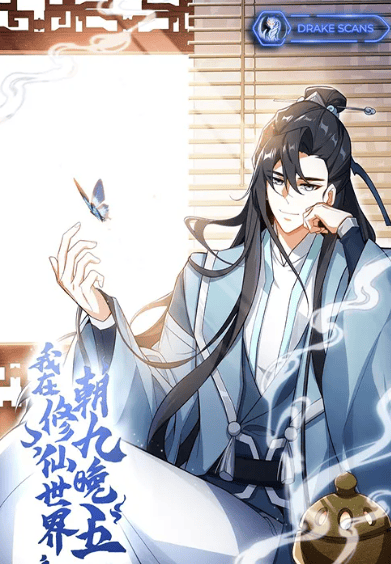
Let’s be real, the comic world isn’t playing by the old rules anymore. What used to be a pretty clear divide between Japanese manga, Korean manhwa, and Western comics has turned into a massive creative crossover where artists borrow ideas, remix visual styles, and create something entirely their own. If you spend time exploring stories on komiku, you’ve probably noticed how different these formats can feel, even when they share similar themes, characters, or genres. From dramatic black-and-white panels to colorful, vertically scrolling episodes, sequential art is going through a serious glow-up. And honestly, some of these changes feel like aesthetic heresies against traditional comic-making rules. But instead of destroying the medium, they’re pushing it into some seriously exciting territory.
Manga, Manhwa, and the Rules Nobody Wants to Follow Anymore
For decades, manga developed a recognizable visual identity through its expressive characters, cinematic panel layouts, and often black-and-white artwork. Its storytelling can stretch across genres, from action-packed adventures to quiet slice-of-life dramas that hit you right in the feelings.
Manhwa, especially digital Korean webtoons, has developed a different set of strengths. Full-color artwork, vertical scrolling, and layouts designed for smartphone screens have changed how readers experience stories. Instead of turning pages, readers move down the screen, discovering scenes through a carefully controlled sequence of reveals.
Neither format is automatically better than the other. They simply approach the same artistic challenge from different directions.
The interesting part is what happens when creators stop treating these traditions as strict boundaries. A manga artist might experiment with long, flowing compositions inspired by webtoons, while a manhwa creator might adopt dramatic panel arrangements associated with printed comics.
These experiments can look unconventional, but that’s kind of the point. Artistic traditions stay alive by evolving, not by forcing every new creator to follow the exact same formula forever.
The Vertical Scroll Changed Everything
One of the biggest shifts in modern comic storytelling is the rise of vertical scrolling. At first glance, it sounds like a simple technical adjustment. Instead of reading from one page to another, you just keep scrolling down. Easy, right?
Well, not quite.
Vertical scrolling changes how artists control pacing, suspense, and emotional impact. In a traditional page layout, readers can see several panels at once. Their eyes naturally jump between images, sometimes discovering details before reaching the intended focal point.
With a vertical format, artists have much more control over when information appears. A character’s expression might emerge gradually. A dramatic reveal can be separated from the preceding scene by a long stretch of empty space. Even a simple fall or explosion can feel more intense when the reader scrolls through the action instead of seeing it all at once.
This creates an entirely different relationship between the artwork and the audience.
The scroll becomes part of the storytelling language, almost like timing in a movie. Creators can slow readers down, build anticipation, or suddenly deliver a shocking image that completely changes the mood.
That’s not just a new way to display comics. It’s a new way to direct attention.
Full Color Versus Black and White: Is the Old School Losing Its Edge?
Another major difference involves color. Traditional manga often relies on black ink, white space, and carefully controlled screentones to create depth and atmosphere. This limitation can actually become a creative advantage.
Without color, artists must think carefully about contrast, texture, composition, and silhouette. A dark shadow can communicate fear, while a simple change in line weight can make a character feel powerful or vulnerable.
Digital manhwa, meanwhile, often uses color to establish atmosphere, distinguish characters, and guide the reader’s eyes. Warm lighting might create a romantic mood, while cold blue tones can make a supernatural setting feel unsettling.
But here’s the twist: neither approach owns the future.
Black-and-white artwork can feel incredibly cinematic, while color can be subtle rather than flashy. Some creators use limited palettes, unusual lighting, or nearly monochromatic scenes to achieve effects that traditional expectations might not predict.
The real question isn’t whether color is better than black and white. It’s whether the artist knows how to make the chosen style serve the story.
When Cultural Borders Become Creative Playgrounds
Manga and manhwa come from different publishing histories, cultural environments, and artistic traditions. Their differences deserve recognition rather than being flattened into one generic category.
Still, the internet has made it easier for artists and readers to encounter work from different countries. A creator can study Japanese paneling, Korean webtoon pacing, European graphic novels, and American superhero compositions without physically visiting a bookstore in every region.
That exposure encourages experimentation.
A fantasy series might combine manga-inspired character expressions with manhwa-style coloring. A romance comic could use cinematic framing borrowed from film while keeping the emotional rhythm of a traditional manga. A Western creator might adopt the vertical-scroll format while developing a completely different visual identity.
When you baca komiku stories across different genres and formats, these influences become easier to notice. The boundaries between traditions aren’t disappearing entirely, but they’re becoming more flexible.
And that flexibility matters because artistic influence doesn’t have to mean copying. Creators can learn from another medium, adapt its techniques, and use them to express their own cultural experiences.
The Aesthetic Heresy of Breaking Panel Rules
Traditional comic layouts often rely on panels, gutters, and page composition to organize information. But contemporary creators increasingly experiment with layouts that challenge those conventions.
Panels might overlap, disappear into the background, or stretch across the page in unusual shapes. Characters can break the boundaries of their panels, making the artwork feel less like a sequence of separate boxes and more like one continuous visual environment.
Digital formats make these experiments even more interesting. Since a scrolling screen doesn’t have to follow the physical dimensions of a printed page, artists can create unusually tall compositions, extended pauses, and dramatic transitions that would be difficult to reproduce in conventional print.
Of course, breaking rules just for the sake of looking different doesn’t automatically create good art. A confusing layout can distract readers rather than immerse them.
The best experiments have a purpose. They use unconventional compositions to express movement, emotional tension, fragmented memories, or the overwhelming scale of a fictional world.
In other words, the heresy works when it actually means something.
What This Means for the Next Generation of Comic Artists
The future of sequential art probably won’t belong to a single national tradition or publishing format. Instead, it will be shaped by creators who understand the strengths of different approaches and know when to combine them.
Some artists will continue producing beautifully composed printed manga. Others will develop immersive webtoons specifically designed for mobile devices. Some will experiment with animation, sound, and interactive features, while others will deliberately return to minimalist black-and-white storytelling.
All these directions can coexist.
What matters is whether creators understand the relationship between visual design and narrative purpose. Technology can offer new possibilities, but it cannot automatically replace strong characterization, meaningful conflict, or compelling storytelling.
A gorgeous comic with nothing interesting to say might look impressive for a few minutes. A simpler comic with memorable characters and thoughtful pacing can stay with readers for years.
The strongest artists will probably be those who treat artistic traditions as useful foundations rather than unbreakable laws.
The Future Belongs to Creative Rule-Breakers
From manga’s expressive black-and-white compositions to manhwa’s colorful, scroll-friendly storytelling, sequential art is proving that its visual language can evolve without losing its identity. These aesthetic experiments aren’t necessarily attacks on tradition; they’re opportunities to discover new ways of connecting images, emotions, and ideas. Whether you baca komik for epic battles, emotional romances, or mind-bending fantasy adventures, exploring different artistic formats can reveal just how much storytelling depends on the way images are presented. And if you enjoy discovering fresh styles through baca manga, platforms like Komiku can help you explore a wide range of comic and manga experiences in one place. So, forget the idea that there’s only one correct way to create a comic. Sometimes, the most exciting artistic breakthroughs happen when creators break the rules, challenge expectations, and turn what once seemed like a mistake into the next big thing.