
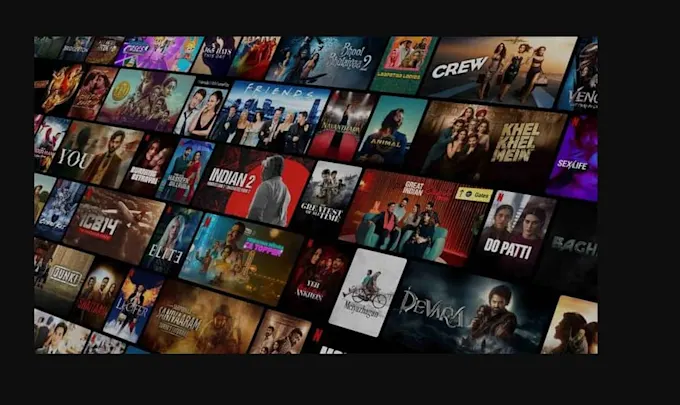
Streaming television over the internet has become one of the biggest shifts in digital entertainment. While many people use IPTV services daily, fewer understand the technology that makes modern streaming possible. From content delivery systems to cloud infrastructure and adaptive video quality, IPTV relies on several advanced technologies working together behind the scenes.
As internet-based television continues growing in South Africa and around the world, understanding how IPTV works helps explain why it has become such an important part of modern viewing habits.
What Makes IPTV Different From Traditional Broadcasting?
Traditional television broadcasting relies on satellite signals, cable networks, or terrestrial transmission towers. IPTV works differently because it delivers television content using internet protocols — the same systems used for websites, apps, and online communication.
This creates a more flexible viewing experience because content can be streamed directly to connected devices rather than being tied to a single broadcast signal.
Instead of receiving all channels simultaneously like satellite TV, IPTV users request the content they want to watch in real time. The system then delivers that content through internet servers.
How Content Travels From Servers to Your Screen
One of the most important parts of IPTV technology is content delivery infrastructure. Large media libraries and live channels are stored on powerful servers that distribute video streams to viewers across different regions.
When a user selects a channel or movie:
- The IPTV platform receives the request
- The server processes the request
- Video data is compressed into streamable packets
- The content is transmitted through the internet
- The user’s device decodes and displays the video
This process happens within seconds, creating the impression of instant playback.
Why Video Compression Is So Important
Streaming thousands of channels and large video libraries would be impossible without advanced compression technology. Raw video files are extremely large and would overload most internet connections.
Modern IPTV systems use codecs such as H.264 and H.265 to reduce file sizes while maintaining image quality. This allows viewers to stream Full HD and 4K content without downloading massive amounts of data every second.
Efficient compression also helps reduce buffering and improves playback stability on slower internet connections.
Adaptive Streaming and Why Quality Changes Automatically
Many viewers notice that streaming quality sometimes adjusts automatically during playback. This is called adaptive bitrate streaming.
The system constantly measures internet speed and device performance. If the connection becomes weaker, the stream temporarily lowers video quality to prevent interruptions. When internet speed improves again, the stream increases quality automatically.
This technology helps maintain smoother viewing experiences during network congestion or unstable Wi-Fi conditions.
The Role of Cloud Infrastructure
Cloud computing plays a major role in modern IPTV services. Instead of relying on a single physical location, many platforms use distributed cloud servers located across multiple regions.
This offers several advantages:
- Faster content delivery
- Reduced server overload
- Better reliability during peak viewing hours
- Improved scalability for large audiences
Cloud infrastructure is especially useful during major sporting events where millions of users may stream simultaneously.
Why Internet Speed Matters
Streaming performance depends heavily on internet stability. Different resolutions require different bandwidth levels.
Typical recommendations include:
- SD streaming: 3–5 Mbps
- HD streaming: 10 Mbps
- 4K streaming: 25 Mbps or higher
While these are general estimates, stable connections are usually more important than maximum speed alone. Packet loss, Wi-Fi interference, and network congestion can all affect streaming quality.
Smart TVs Have Accelerated IPTV Growth
The rise of smart TVs has significantly increased IPTV adoption worldwide. Many televisions now include built-in apps and operating systems capable of running streaming platforms directly.
This reduces the need for additional hardware and makes internet-based television more accessible for households.
Other commonly used devices include:
- Android TV boxes
- Firestick devices
- Apple TV
- Smartphones
- Tablets
- Gaming consoles
The growing compatibility between IPTV platforms and consumer devices has made streaming more convenient than ever before.
Live Sports Streaming and Low-Latency Technology
Sports fans expect live broadcasts with minimal delay. IPTV providers therefore invest heavily in low-latency streaming technologies to reduce lag between real-world events and on-screen playback.
Modern systems use optimized routing, regional servers, and faster encoding methods to improve synchronization during live broadcasts.
This is especially important for football, rugby, Formula 1, and cricket audiences who often follow matches in real time while engaging on social media or live chats.
Security and Digital Content Protection
As streaming becomes more widespread, cybersecurity and content protection have become major industry priorities. IPTV platforms often implement encryption technologies to secure user data and streaming sessions.
Authentication systems, secure payment processing, and anti-piracy protections are now essential parts of digital entertainment infrastructure.
The Future of IPTV Technology
The future of IPTV is closely connected to advancements in internet infrastructure, artificial intelligence, and cloud computing. Faster fiber networks and expanding 5G coverage will likely improve streaming performance even further.
Artificial intelligence may also enhance content recommendations, search functions, and viewing personalization in coming years.
As audiences continue shifting toward internet-based entertainment, IPTV technology will likely evolve into an even more integrated part of everyday digital life.
Readers interested in exploring IPTV platforms and learning more about internet-based television services in South Africa can visit https://iptvcapetown.co.za.
Final Thoughts
IPTV is more than just online television. It represents a major technological evolution in how entertainment is distributed, streamed, and consumed. From adaptive streaming systems to cloud infrastructure and smart device integration, modern IPTV relies on sophisticated technology designed to deliver flexible viewing experiences.
As internet speeds improve and digital habits continue evolving, IPTV technology will remain at the center of the future entertainment landscape.