
Every home relies on a complex network of venting systems to maintain a safe, clean, and comfortable living environment. While homeowners frequently focus on visible upgrades like fresh interior paint, new kitchen countertops, or energy-efficient appliances, the hidden channels running through your walls and above your roof play a far more critical role in daily health and safety. Chimneys and air duct networks work around the clock to exhaust dangerous combustion byproducts and circulate breathable air throughout your living spaces. When these systems operate smoothly, you enjoy warm winter fires, crisp air conditioning, and fresh indoor environments. When neglected, however, they can quietly become breeding grounds for allergens, hotbeds for dangerous creosote accumulation, or sources of dangerous carbon monoxide leakage. Understanding how your chimney and ventilation systems function, recognizing early warning signs of degradation, and staying proactive with professional care ensures your household remains safe, energy efficient, and healthy all year long.
Why Chimney Safety Matters More Than You Think
A traditional fireplace brings unmatched warmth, ambiance, and comfort to a home, especially during colder months. Behind that cozy aesthetic, however, lies a heavy-duty exhausting mechanism designed to direct smoke, unburned fuel particles, acidic gases, and heat safely out of your home. Every time you burn wood, a sticky, flammable byproduct known as creosote forms on the interior lining of your chimney flue. In its early stages, creosote appears as a light, flaky soot that is relatively easy to sweep away. Over time, as moisture and heat interact with unburned hydrocarbons, that soot bakes into a thick, tar-like glaze.
Creosote is exceptionally flammable. When thick creosote deposits ignite inside a chimney, temperatures can quickly exceed two thousand degrees Fahrenheit. A chimney fire of this magnitude can crack masonry liners, melt metal chimneys, and ignite surrounding wooden framing within minutes. Beyond the immediate risk of a structural fire, a damaged or blocked chimney flue presents a severe carbon monoxide hazard. Carbon monoxide is an odorless, colorless gas produced by incomplete combustion. If a flue is obstructed by debris, animal nests, or heavy creosote buildup, carbon monoxide cannot escape upward and will instead seep directly back into your living spaces. Regular chimney inspections and cleanings ensure that combustion gases flow freely outdoors while keeping flammable creosote levels at a minimum.
The Hidden Impact of Air Duct Systems on Health and Energy Efficiency
While your chimney handles high-heat combustion gases, your Heating, Ventilation, and Air Conditioning (HVAC) ductwork manages the continuous air you breathe every single day. The average central HVAC system pulls air from your living space, heats or cools it, and pushes it back out through supply vents. Over months and years of continuous operation, your ductwork accumulates an astonishing volume of fine particulate matter. Dust, pet dander, pollen, insect debris, mold spores, and construction dust collect along the interior walls of the duct network.
When dust layers build up inside air ducts, every cycle of your furnace or air conditioner forces microscopic particles into your ambient air. Family members suffering from asthma, seasonal allergies, or respiratory conditions often experience heightened symptoms indoors due to recirculated contaminants. Moreover, high humidity levels within uncleaned ductwork can lead to dark mold growth, resulting in lingering musty odors throughout the house.
Duct contamination also directly impacts your monthly utility bills. Heavy dust buildup on internal components restricts airflow, forcing your HVAC blower motor to work significantly harder to maintain your target thermostat temperature. This added strain shortens the operational lifespan of expensive mechanical equipment and increases energy consumption, leading to unnecessary utility expenditures month after month.
The Connection Between Venting Systems and Indoor Air Quality
Homeowners often view chimney care and duct cleaning as separate home maintenance tasks, but both systems share a fundamental principle: airflow management. Both chimneys and HVAC ducts depend on clear pathways, proper sealing, and balanced pressure dynamics to protect your home. For instance, negative air pressure caused by sealed, modern energy-efficient homes can cause a chimney to draft improperly, pulling smoke back into living quarters. Similarly, leaky ductwork in an attic or crawlspace can pull contaminated air into your home and distribute it to every bedroom.
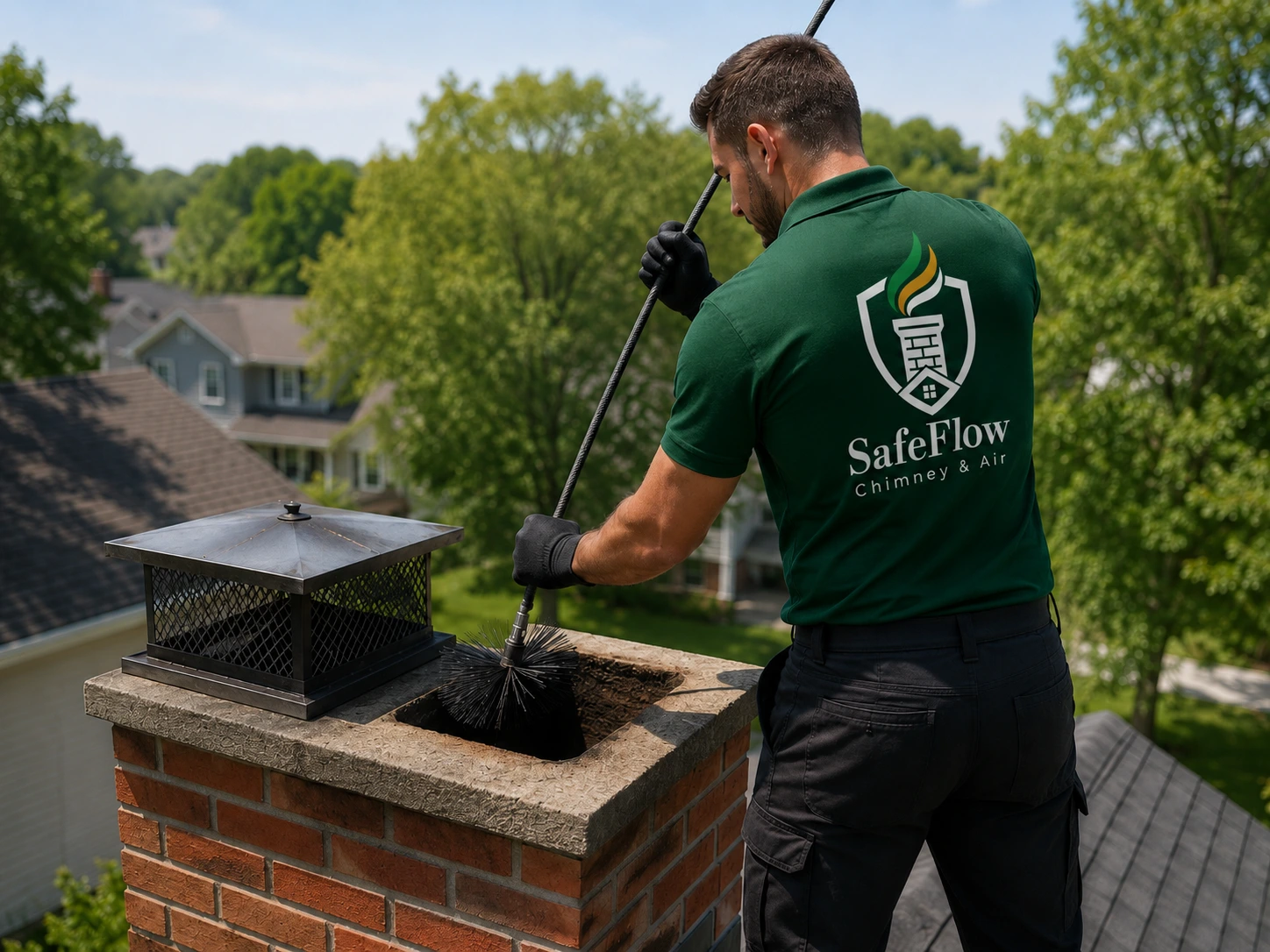
Integrating complete ventilation care ensures that all exhausted air leaves safely while all circulated air remains fresh and pure. By turning to trusted local experts such as SafeFlow Chimney & Air, homeowners can safeguard their properties against fire hazards and indoor pollutants with comprehensive care and inspection services. Professional service technicians evaluate airflow dynamics, verify flue integrity, check duct seals, and remove accumulated debris using commercial-grade vacuum extraction systems, ensuring optimal performance for every component of your home’s air network.
Warning Signs Your Systems Need Attention
Waiting for a catastrophic failure or an obvious system shutdown before booking service often leads to costly repairs and preventable health risks. Fortunately, your chimney and air ducts usually display clear warning signs when maintenance is overdue.
- Persistent Dust and Dust Rings: If you notice heavy dust settling on furniture shortly after cleaning, or dark ring stains forming on ceiling drywall around your supply vents, your ductwork likely requires deep cleaning.
- Musty or Smokey Odors: A distinct damp or stale smell when the air conditioning turns on points to fungal growth inside the ducts. Conversely, a strong fireplace smoke smell in the living room during summer indicates a creosote buildup or a failing damper.
- Visible Debris or Animal Activity: Rust flakes in the firebox, loose masonry bits on the hearth, or scraping sounds inside the flue signal animal intrusion or masonry decay that requires immediate repair.
- Sluggish Fireplace Drafts: If fires are difficult to start or smoke consistently rolls into the room rather than rising up the flue, a blockage or improper draft condition exists.
- Unexplained Spike in Utility Bills: A sudden rise in heating or cooling costs without a change in weather usually means restricted airflow is straining your HVAC system.
Best Practices for Long-Term Home Protection
Maintaining a safe chimney and clean ventilation system requires a combination of smart daily habits and scheduled professional service. Homeowners can extend the life of their equipment by burning only seasoned hardwoods, such as oak or maple, which burn hotter and produce far less creosote than unseasoned or soft pine woods. Never burn treated wood, cardboard boxes, or trash in a residential fireplace, as these materials release harsh chemicals and intense flare-ups that damage flue liners.
For your HVAC system, replace air filters every one to three months depending on whether you have pets or allergy sufferers in the house. Ensure supply and return vents remain unblocked by furniture, curtains, or rugs to maintain balanced airflow pressure throughout the home. Finally, schedule an annual professional chimney inspection before the winter heating season begins, along with periodic ductwork inspections to keep your indoor air clean, clear, and safe. Taking a proactive approach to home airflow management protects your family, safeguards your financial investment, and keeps your living environment comfortable throughout every season.