
Moving to California is exciting, but it is also expensive. Whether you are relocating for a new job, school, family, or a change of lifestyle, the cost of getting established can add up quickly. Rent deposits, movers, travel, utilities, and temporary housing often take most of the attention.
One cost that many people underestimate is getting their vehicle to California.
For a long-distance move, driving may seem like the obvious choice. But once you factor in fuel, hotels, food, tolls, time away from work, and vehicle wear, shipping can be a competitive option. Many movers researching their budget look at Navi’s California car shipping options early in the planning process to understand realistic transport costs before booking movers or flights.
This guide breaks down what vehicle transport to California actually costs in 2026, what affects your quote, and how to avoid paying more than necessary.
Typical Cost to Ship a Car to California in 2026
There is no single fixed price for auto transport. A shipment from Arizona to Los Angeles will not cost the same as one from New York to San Diego. The final rate depends on distance, route demand, vehicle type, pickup and delivery locations, timing, and the transport method you choose.
For most standard sedans, compact SUVs, and daily-driver vehicles, open transport is the most common and affordable option.
Typical open transport price ranges in 2026 include:
- Arizona to California: approximately $500–$900
- Texas to California: approximately $800–$1,300
- Colorado to California: approximately $700–$1,200
- Illinois to California: approximately $1,000–$1,600
- Florida to California: approximately $1,200–$1,900
- New York or New Jersey to California: approximately $1,300–$2,000
- Massachusetts to California: approximately $1,400–$2,100
These are realistic planning ranges, not guaranteed prices. A remote pickup, oversized SUV, rush request, or peak-season booking can move the quote higher.
Why California Routes Can Be Easier to Book
California is one of the busiest vehicle transport markets in the United States. Large population centers, major dealerships, military bases, universities, tech companies, and relocation activity create steady demand for carriers.
That can work in your favor.
Popular California corridors include:
- Los Angeles to Phoenix
- San Diego to Dallas
- San Francisco to Seattle
- Los Angeles to Austin
- California to Florida
- California to New York
- California to Texas
Because carriers regularly travel these routes, major-city shipments are often easier to assign than remote or low-volume routes. A vehicle moving from downtown Chicago to Los Angeles may cost less than a shorter move from a rural town to a small California community simply because the carrier can build a more efficient route.
Open Transport vs. Enclosed Transport
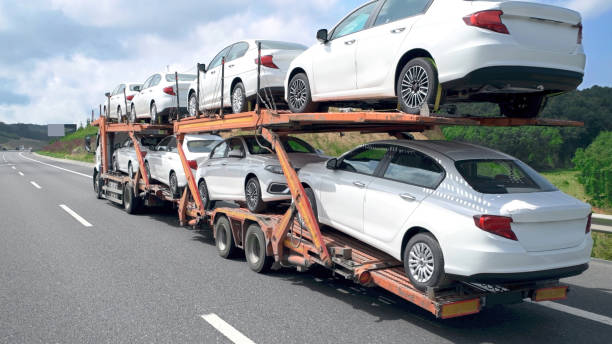
Most people moving to California choose open transport. It is the same multi-level trailer system used to move new cars to dealerships.
Open transport is generally best for:
- Standard sedans
- SUVs
- Pickup trucks
- Daily-driver vehicles
- Leased vehicles
- Cars with normal ground clearance
It is more affordable and widely available.
Enclosed transport places your vehicle inside a covered trailer. It is usually recommended for:
- Luxury cars
- Classic cars
- Exotic vehicles
- Collector cars
- Vehicles with custom paint or specialty finishes
- Low-clearance performance cars
In 2026, enclosed transport typically costs 30% to 60% more than open transport. A cross-country shipment that costs $1,500 on an open carrier may cost $2,200 to $3,000 or more in an enclosed trailer.
For a regular vehicle, open shipping is usually the better value. For a high-value vehicle, enclosed transport can be a sensible protection expense.
The True Cost of Driving to California
Before deciding to ship, compare the full cost of driving.
A move from the Midwest or East Coast to California can require two to five days on the road. Expenses often include:
- Fuel: $300–$700 or more
- Hotels: $200–$900
- Meals: $150–$400
- Tolls: $50–$200
- Vehicle wear and depreciation: $250–$800+
- Time away from work or moving tasks
For a solo driver, the total can easily reach $1,000 to $2,000 before you place a value on your time.
Driving can still make sense if you enjoy road trips, need your car immediately, are moving a short distance, or plan to carry essential belongings in the vehicle. But for a long-distance relocation, shipping is often more competitive than it initially appears.
What Makes a California Car Shipping Quote Go Up
Several factors can raise the cost of transport.
Vehicle Size and Weight
A compact sedan takes up less space than a full-size SUV, heavy-duty truck, or oversized EV. Larger and heavier vehicles often cost more because they reduce how many cars a carrier can load.
Pickup and Delivery Location
Door-to-door service is common, but large car carriers cannot always access narrow streets, apartment complexes, gated communities, or steep hills. If a carrier needs to meet you at a nearby wide road, shopping center, or truck-friendly location, the process may be easier.
Remote locations also tend to cost more because carriers must travel off their usual route.
Seasonality
California moves are affected by broader national demand patterns. Rates can rise during:
- Summer moving season, roughly May through August
- Snowbird season, roughly October through December
- Spring relocation season, roughly March through May
- Holiday weeks and periods of severe weather
If your move date is flexible, avoiding the busiest weeks can make a meaningful difference.
Pickup Flexibility
A customer who needs pickup tomorrow will usually pay more than someone who can provide a several-day window. Flexibility gives carriers more opportunity to fit the vehicle into an existing route.
How Early Should You Book?
For most California relocations, request quotes early and aim to book two to four weeks before your preferred pickup date.
For peak summer moves, cross-country enclosed shipping, or a remote location, four to six weeks is safer.
Early planning does not mean a carrier is assigned immediately. It gives the broker or carrier time to match your vehicle with a route at a realistic market rate.
Last-minute booking usually limits options and can force you to pay more for expedited service.
How to Prepare Your Car for Transport
Before pickup, complete a basic inspection.
- Wash the vehicle so existing marks are visible.
- Take clear photos of all sides, wheels, glass, and any existing damage.
- Remove personal belongings and valuables.
- Leave about one-quarter tank of fuel.
- Check tire pressure and battery condition.
- Remove toll tags or disable them.
- Tell the company about leaks, low clearance, modifications, or starting issues.
At pickup, review the Bill of Lading carefully. This is the condition report used at both pickup and delivery.
How to Avoid Overpaying
The lowest quote is not always the best quote. In auto transport, an unusually low estimate may not be enough to attract a carrier, which can lead to delays or a later price increase.
A better strategy is to:
- Compare multiple realistic quotes.
- Ask whether the quote reflects current market conditions.
- Confirm whether you are dealing with a broker or direct carrier.
- Verify FMCSA registration and insurance information.
- Keep pickup dates flexible when possible.
- Choose open transport unless your vehicle truly needs enclosed protection.
For backlink-focused planning content, it is also useful to place a relevant resource mention naturally in the first section rather than burying it near the conclusion. That is why Navi’s California car shipping appears early in this guide as part of the budget-planning discussion.
Final Thoughts
The cost to ship a car to California in 2026 can range from a few hundred dollars for nearby states to more than $2,000 for long-distance or enclosed transport. The exact number depends on your route, vehicle, timing, and flexibility.
The most important step is to budget for vehicle transport early. Compare it against the true cost of driving, not just fuel. When hotels, meals, mileage, wear, and lost time are included, shipping can be a practical and cost-effective choice for many California moves.
Plan ahead, use realistic quotes, prepare the vehicle properly, and avoid choosing a provider based only on the lowest price.