
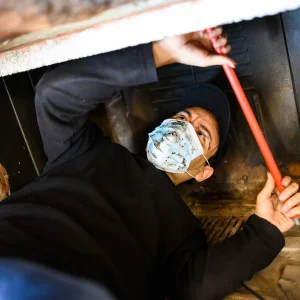
A cozy fireplace or stove serves as the heart of many homes, offering warmth, ambiance, and a comfortable focal point during chilly months. However, the systems that vent smoke, gas, and airborne particulates out of your living spaces require consistent care to remain safe and efficient. Much like the hidden air ducts that circulate warm and cool air throughout your home, your chimney and flues act as vital exhaust pathways. Over time, soot, creosote, and organic debris accumulate inside these venting structures. Ignoring these hidden areas can lead to serious household hazards, including reduced heating efficiency, structural damage, carbon monoxide risks, and devastating chimney fires.
Understanding how your chimney works alongside your overall home ventilation system, recognizing early warning signs of soot or creosote buildup, and taking preventive maintenance measures can protect your property and family. By adopting a comprehensive approach to home venting care, you ensure a warm, inviting atmosphere while safeguarding your structural investment.
The Hidden Danger: Understanding Creosote and Airflow Obstructions
Whenever wood, gas, or oil burns in a fireplace or heating appliance, the byproduct includes smoke, water vapor, unburned wood gases, and minerals. As these substances rise up through the cooler environment of the chimney flue, condensation occurs. This process creates a dark, highly flammable residue known as creosote. In its early stages, creosote appears as a flaky, soot-like substance, but as layers accumulate and bake under heat, it transforms into a hard, tar-like glaze that clings stubbornly to flue liners.
Creosote is the primary cause of chimney fires, which can reach extreme temperatures and spread quickly into attic spaces or surrounding wall frames. Beyond the immediate risk of fire, heavy soot deposits restrict airflow, forcing combustion gases back into your living room. This draft reversal introduces harmful particulate matter and invisible carbon monoxide into the indoor air your family breathes daily.
Furthermore, outdoor elements contribute to venting blockages. Falling leaves, twigs, nesting birds, and small animals frequently find their way into uncapped chimney flues. When these obstructions combine with existing soot, the vent becomes completely choked, rendering your fireplace unsafe for use.
Recognizing the Warning Signs of a Compromised Venting System
Your fireplace and chimney display clear physical signals when soot accumulation or structural degradation reaches a dangerous level. Recognizing these indicators early allows you to address problems before lighting your next fire.
Dark Smoke and Draft Problems
If smoke spills into your living space rather than drawing cleanly up the flue, an airflow restriction is likely present. Weak drafting indicates that creosote glaze, animal nests, or fallen masonry debris are choking the passage.
Strong, Odorous Smells from the Fireplace
A sour, smoky, or asphalt-like odor emanating from the hearth during warm weather or humid days is a classic sign of heavy creosote buildup inside the flue liner. Moisture mixes with the acidic soot, creating unpleasant smells that permeate nearby rooms.
Oily, Dark Flecks on the Hearth
Noticing black, greasy flakes dropping onto the firebox floor or hearth carpet indicates that stage-two or stage-three creosote has formed along the upper flue walls. This material is volatile and highly flammable.
Slow-Burning Fires and Excessive Ash
When a fire struggles to catch, burns sluggishly, or leaves behind an unusually large amount of unburned ash, the combustion chamber is not receiving adequate oxygen due to poor exhaust ventilation.
The Benefits of Integrating Chimney Care with Home Maintenance
Maintaining a clean, functional chimney offers benefits that extend well beyond seasonal fire safety. Taking proactive care of all home venting channels creates a healthier, more cost-effective living environment.
Superior Fire Safety and Structural Protection
Removing creosote deposits eliminates the primary fuel source for dangerous high-temperature chimney fires. Routine maintenance also catches cracked clay tiles, rusted metal liners, and decaying mortar early, preventing expensive masonry repairs down the road.
Clean Indoor Air Quality
A properly drafting flue ensures that fine particulate soot, toxic combustion gases, and excess moisture exit your home immediately. Keeping these contaminants out of your indoor air prevents respiratory irritation and keeps surrounding furniture, walls, and drapes clean.
Improved Heating Efficiency
A clean chimney flue allows wood stoves and fireplaces to burn fuel far more completely. Complete combustion produces more ambient heat while consuming less wood, lowering your seasonal heating expenses and reducing environmental emissions.
Simple Preventive Habits for Homeowners
While deep flue cleaning and structural masonry repairs demand professional tools, homeowners can follow a few basic practices to keep their hearth operating safely between professional inspections.
- Burn Dry, Seasoned Hardwoods: Avoid burning green, unseasoned wood, trash, treated lumber, or wrapping paper, as these materials produce massive amounts of smoke and accelerate rapid creosote buildup.
- Install a Quality Chimney Cap: Fit your flue opening with a sturdy spark arrestor cap to keep out rain, snow, debris, and wild animals while containing stray embers.
- Keep the Firebox Clean: Sweep out cooled ashes regularly during the burning season, leaving only a thin bed of ash to insulate the firebed for future fires.
- Test Alarms Monthly: Ensure carbon monoxide and smoke detectors are installed on every level of the house, particularly near sleeping quarters and the fireplace room.
- Ensure Adequate Room Ventilation: Crack a nearby window slightly when starting a fire if your home is tightly sealed, helping establish a strong upward draft immediately.
When to Schedule Professional Venting Care
Fireplace and chimney maintenance involves working at heights, dealing with hazardous soot dust, and evaluating hidden structural integrity that cannot be seen from the hearth alone. Professional sweeps use specialized brushes, video camera inspection systems, and high-powered vacuum units to clean and evaluate flues from top to bottom safely.
Annual inspections are recommended by safety organizations for any home with a working solid-fuel or gas fireplace. If you are preparing for the winter season, have recently purchased a new property, or haven’t had your flue evaluated in over a year, taking prompt action is essential. When you are ready to ensure your hearth burns safely and cleanly all winter long, take time to Check out our professional chimney care options to schedule a complete evaluation with experienced local technicians.
Investing in your home’s exhaust pathways protects your physical structure, optimizes your heating efficiency, and provides absolute peace of mind. Taking care of your chimney ensures that your home stays warm, clean, and safe for family and guests throughout the cold weather months.