
Japan has long held a unique position in global design discourse. It is a culture where hyper-modern technology sits comfortably alongside centuries-old traditions of meticulous craftsmanship. From the peaceful minimalism of a traditional wooden teahouse to the flashing neon landscapes of Shibuya, the country’s approach to visual, spatial, and material design is defined by a singular commitment to perfection.
However, modern design in the contemporary era is no longer restricted to physical structures. Today, the foundational ideas that once built timeless gardens and homes have migrated into industrial manufacturing, high-detail figurative modeling, and digital media production. By examining how these creative industries overlap, we can gain a broader appreciation for how Japanese visual culture continues to influence the global artistic landscape.
1. Spatial Philosophy and Spatial Memory
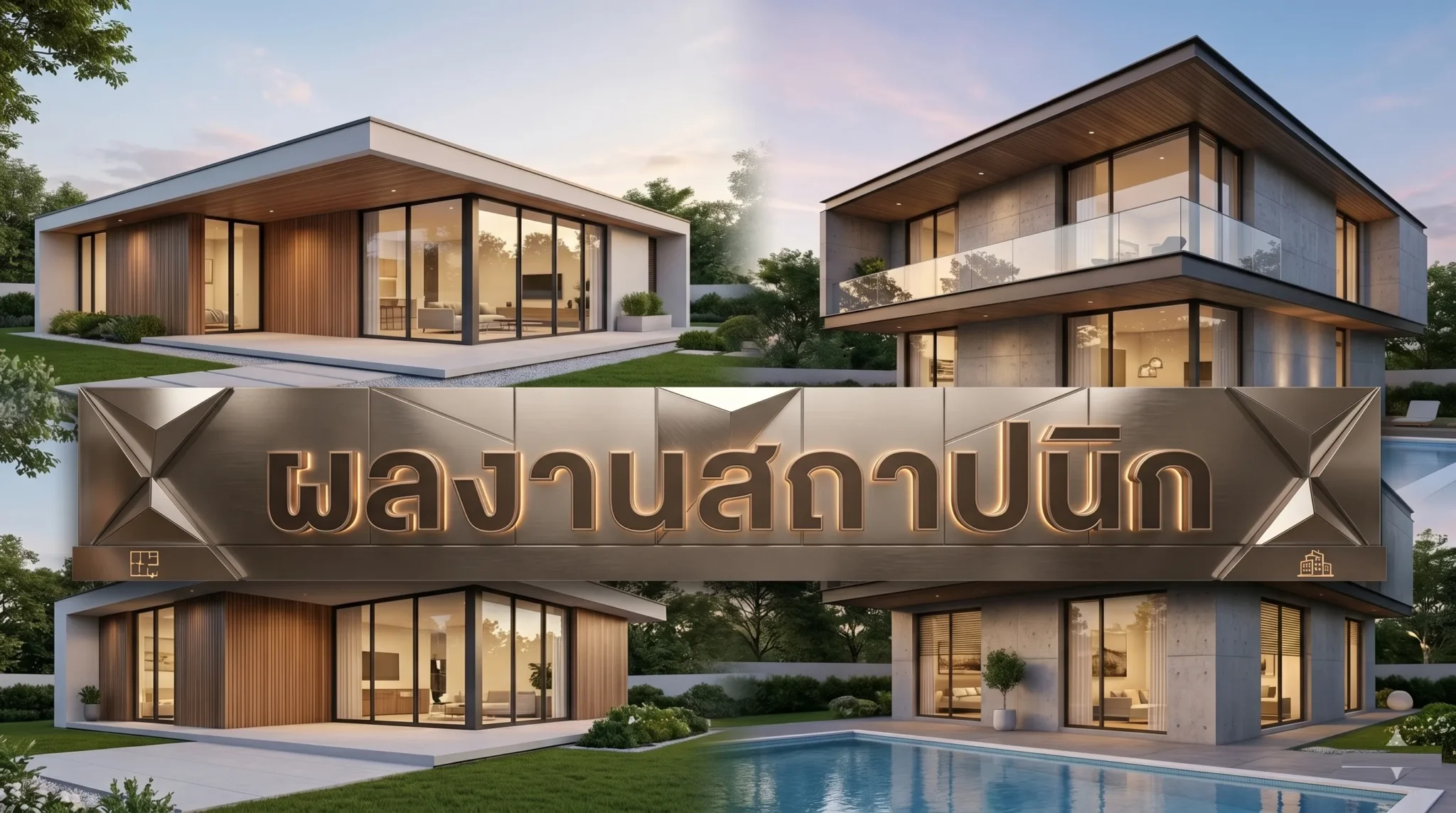
At the core of Japanese creative output lies a deep appreciation for space, balance, and human interaction within an environment. Unlike modern Western design, which often emphasizes monumental scale and dominant structures, traditional Japanese spatial design focuses on sequence, subtle transitions, and emotional harmony.
Consider how a master architect approaches the layout of a space. Rather than focusing solely on exterior geometry, the structural layout is designed around how a person experiences movement from one zone to another. This approach relies on several key spatial principles:
- Ma (Negative Space): The intentional use of empty areas to emphasize surrounding objects and grant breathing room to the eye.
- Shakkei (Borrowed Scenery): Incorporating external landscapes—such as a distant mountain or nearby tree—into interior viewing angles.
- Kankyo (Environmental Harmony): Choosing organic materials like cedar, paper, and stone that gracefully age over time.
These spatial principles create an atmospheric narrative. When entering a room crafted under these guidelines, the inhabitant feels an immediate sense of emotional balance. The building becomes a living medium that frames human life, directing sightlines and dictating physical pacing.
2. Micro-Engineering and the Art of Scale Collectibles
As Japan transitioned into an industrial powerhouse during the mid-to-late twentieth century, its traditional obsession with spatial balance and detailed carving naturally evolved into modern product design. Nowhere is this transition more apparent than in the world of high-end figurative sculpting and pop-culture collectibles.
To the uninitiated, scale figures and collectible dolls might seem like simple consumer products. However, within modern artisan circles, creating a miniature human figure requires a level of engineering precision akin to industrial prototyping. Specialists working with platforms like dolljapan cater to global enthusiasts who appreciate the incredible labor involved in bringing digital artwork into three-dimensional reality.
The Engineering Process of Miniature Sculpting
Production Stage
Technical Focus
Artistic Objective
Concept Prototyping
Anatomic proportioning and digital 3D modeling
Establishing realistic pose dynamics and center of gravity
Material Injection
High-grade PVC, ABS, or cold-cast resin casting
Preserving ultra-fine surface details, sharp edges, and skin softness
Color Staging
Multi-layered airbrushing and matte/gloss sealing
Replicating skin translucent depth, fabric texture, and light reflection
Sculptors in this industry face challenges that mirrors large-scale physical engineering. Balancing a complex character figure on a small display base requires detailed calculations regarding material density, weight distribution, and synthetic flexibility. Furthermore, achieving a lifelike visual finish demands an understanding of how light penetrates translucent polymers—the exact same physical lighting dynamics that indoor lighting designers calculate when illuminating a physical interior space.
3. Cinematography, Staging, and Visual Intimacy
The structural principles of physical space and scaled modeling extend naturally into modern filmmaking and video production. In visual media, space is no longer three-dimensional; it is compressed onto a flat display screen. Therefore, production teams must use camera placement, set decoration, and lighting contrast to recreate a believable sense of depth and atmosphere.
In contemporary Japanese entertainment production, including the vast landscape of the specialized av industry, set arrangement and visual staging are vital to capturing viewer attention. Production directors cannot simply point a camera at a scene; they must meticulously compose the surrounding environment to heighten emotional realism and narrative focus.
To achieve total visual immersion on screen, camera crews and lighting technicians employ specific visual techniques:
- Controlled Depth of Field: Utilizing wide-aperture lenses to blur background noise, isolating the central subjects while maintaining soft environmental context.
- Chiaroscuro Lighting: Using dramatic highlights and deep shadows to create tangible volume on screen, giving flat video a physical, tactile presence.
- Architectural Framing: Utilizing interior elements—such as sliding fusuma doors, door frames, or window panes—to naturally draw the viewer’s focus toward the focal point of the scene.
Through these techniques, spatial design comes full circle. Just as a physical room guides how a person moves, film composition guides how a viewer’s eyes travel across a screen. The medium changes, but the core objective remains constant: to evoke a visceral, emotional response through carefully structured form and light.
4. The Digital Frontier: Virtual Environments and Beyond
As world culture moves further into the digital age, the boundaries separating physical manufacturing, video production, and virtual environments continue to dissolve. Today’s creative professionals rarely work within a single medium. A contemporary spatial planner might design a physical building using the exact same rendering engines used by video game developers or CGI film producers.
This cross-pollination of skills has created a new class of digital artisans:
- Virtual World Builders: Creating immersive digital spaces for virtual reality that follow realistic physics, structural integrity, and aesthetic proportions.
- 3D Sculptors: Rendering digital collectibles and characters that can either be streamed in virtual spaces or manufactured physically via industrial 3D printers.
- Digital Cinematographers: Lighting virtual sets with physics-based rendering tools that simulate real-world optics down to the wavelength of light.
When we analyze modern creative industries through this lens, we realize that traditional labels are becoming obsolete. The principles that make an aesthetic building breathtaking are the same principles that make an art figure striking, and the same principles that make a visual film scene captivating.
5. The Common Thread of Human Centered Design
Why do human beings care so deeply about design detail? Whether admiring a massive skyline, collecting intricate vinyl models, or watching high-definition cinematic media, we are constantly searching for meaning, order, and beauty in our surroundings.
Japanese creative culture has sustained global influence precisely because it recognizes that all design—regardless of scale or medium—is fundamentally about human perception. An object or space is not defined simply by the materials used to construct it; it is defined by how it makes the user or observer feel.
- Tactility: The physical sensation of touching a fine material, whether smooth polished wood or soft-grade polymer.
- Atmosphere: The subconscious mood generated by lighting, shadows, and acoustic resonance within a given space.
- Precision: The sense of awe inspired by seeing an object executed with zero tolerance for error.
As technology advances and new creative tools emerge, the ways we interact with art, products, and media will continue to evolve. Yet, the foundation will always rest on human craftsmanship.
Final Thoughts: Appreciating the Craft Behind the Screen and Surface
The modern world is filled with objects and media competing for our attention. It is easy to take for granted the incredible amount of planning, calculation, and artistic discipline required to produce the environments we inhabit, the items we collect, and the visual media we enjoy every day.
By recognizing the common thread of spatial balance and structural discipline that runs through all forms of design, we gain a much richer perspective on contemporary culture. From the grand scale of urban planning down to the micro-precision of detailed figure production and video set composition, great design is an enduring conversation between form, function, and human emotion. Understanding this connection allows us to look beyond the surface level of modern objects and appreciate the immense craftsmanship that brings our physical and visual worlds to life.